The short answer
Choose for fit, evidence and a clear written process.
The right renovation professional should be suited to your type and scale of project, hold the registration or licensing required for the work, show relevant completed projects and references, and explain the scope, responsibilities and communication process clearly. Give shortlisted providers the same brief, verify their details independently and compare the work behind each quote before choosing on price.
01
Define the job before judging the person
The best person for one project may not be the best person for another. A contractor who is well suited to a focused indoor upgrade may not be the right fit for a connected backyard, structure and landscaping project. Define the work first so you can assess experience against the actual job.
Write a short brief that describes the spaces involved, what is not working, the result you want, what must remain and any known constraints. Add photos, approximate measurements and available plans. This gives each person the same starting point and makes their questions, ideas and proposed scope easier to compare.
For a South East Melbourne property, include the suburb and site access early. The route from the street, neighbouring conditions, existing levels and the connection between the house and backyard can all affect project planning.
Planning checklist
- The rooms, outdoor areas or connected zones involved.
- The three outcomes that matter most.
- Existing elements that must remain.
- Known access, service, level or approval information.
- Wide photos showing the complete area and its connections.
- Whether the work may be completed in stages.
- Any firm household, timing or budget constraints.
02
Shortlist by relevant project fit
Start with evidence that relates to the work you are considering. Similarity does not require an identical house or design. Look for comparable project relationships, such as several outdoor zones coordinated together, an indoor area opening to a deck, or a staged project that protected later work.
Ask who would plan, coordinate and complete the project. A business may show broad experience while the specific people assigned to your work have different roles. Understand who will be responsible for the site, who will communicate with you and which specialist trades may be involved.
| Fit question | Useful evidence | What to clarify |
|---|---|---|
| Type of work | Recent projects involving similar rooms, structures or outdoor elements. | Which parts were completed or coordinated by the proposed team? |
| Project complexity | Examples with comparable connections, access limits or staging needs. | What dependencies had to be resolved before work began? |
| Role and responsibility | A clear explanation of who plans, manages, communicates and works on site. | Who will be your day-to-day contact? |
| Location | Work completed in similar suburban conditions or within the service area. | Does the business regularly service the property location? |
| Desired finish | Detailed completed photography and an explanation of the agreed scope. | How were selections, transitions and retained elements handled? |
03
Verify identity, registration and licensing independently
Ask for the full name, registered business details and the registration or licence information relevant to the proposed work. Then check those details using the current official register rather than relying on a logo, website statement, business card or quote.
Victoria's Building and Plumbing Commission advises homeowners to confirm that a builder, plumber or building practitioner is registered or licensed for the type of work, that the status is current, and whether conditions or limits apply. Its public tools also provide access to published disciplinary and prosecution information.
Different work may involve different regulators and certificates. For example, Energy Safe Victoria maintains public registers for electrical practitioners and explains the Certificate of Electrical Safety requirements. Ask how appropriately qualified specialist work will be arranged and what completion documents you should receive.
- Does the name on the register match the person or business you are considering?
- Is the registration or licence current?
- Does its category cover the proposed work?
- Are any conditions or limits shown?
- Who will engage and coordinate specialist trades?
- Which compliance certificates or completion documents should be provided?
04
Read project evidence beyond the finished photograph
A strong finished image is useful, but it does not explain the original brief, site constraints, scope boundaries or working process. Ask for the story behind relevant projects and distinguish what can be seen from what the contractor says was included.
Look for consistency across wide views and details. A complete project set should help you understand how circulation, edges, transitions, storage, planting or adjoining areas work together. Progress images can also show conditions that are hidden once the work is complete, but they still need a clear explanation.
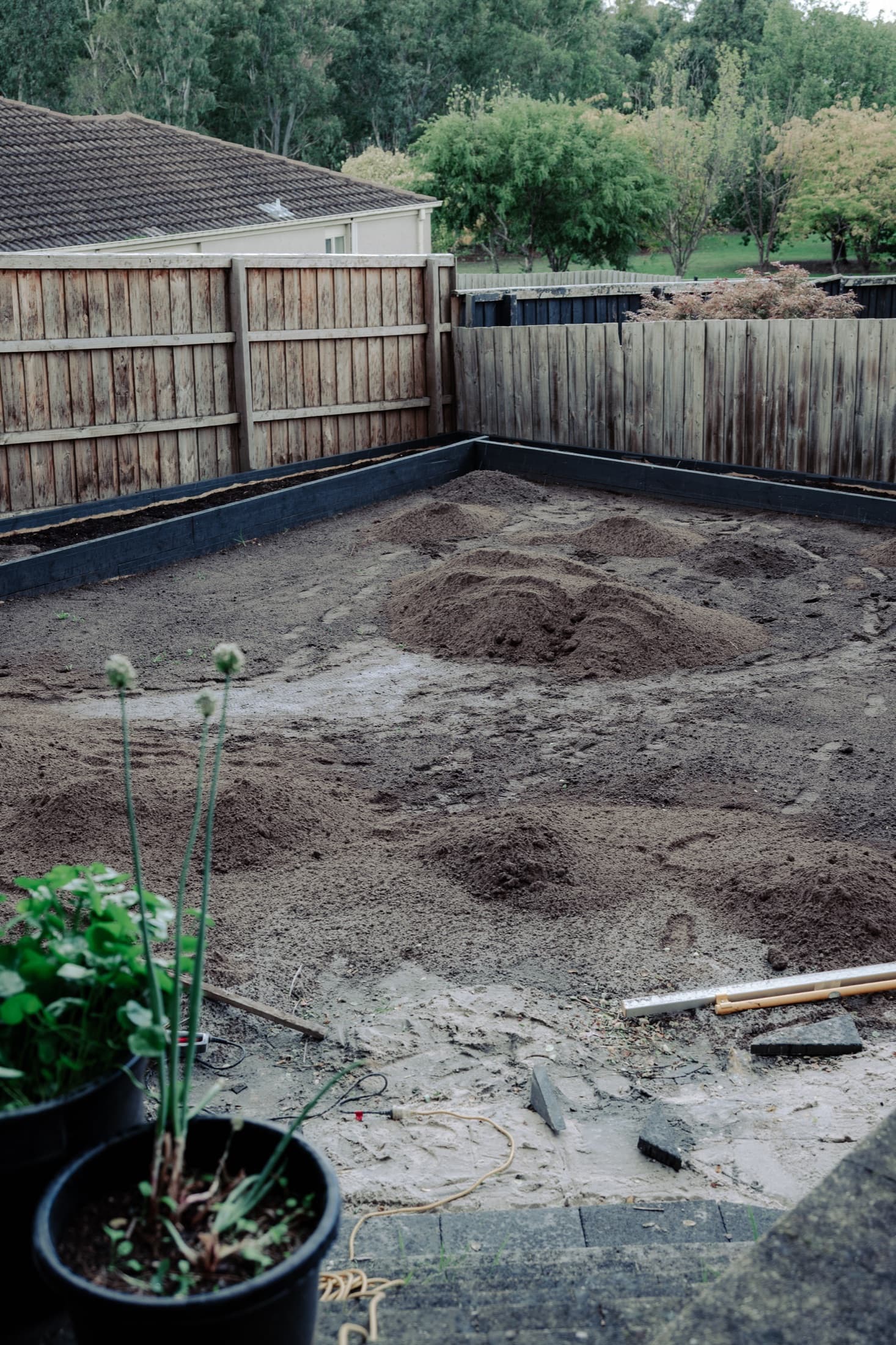
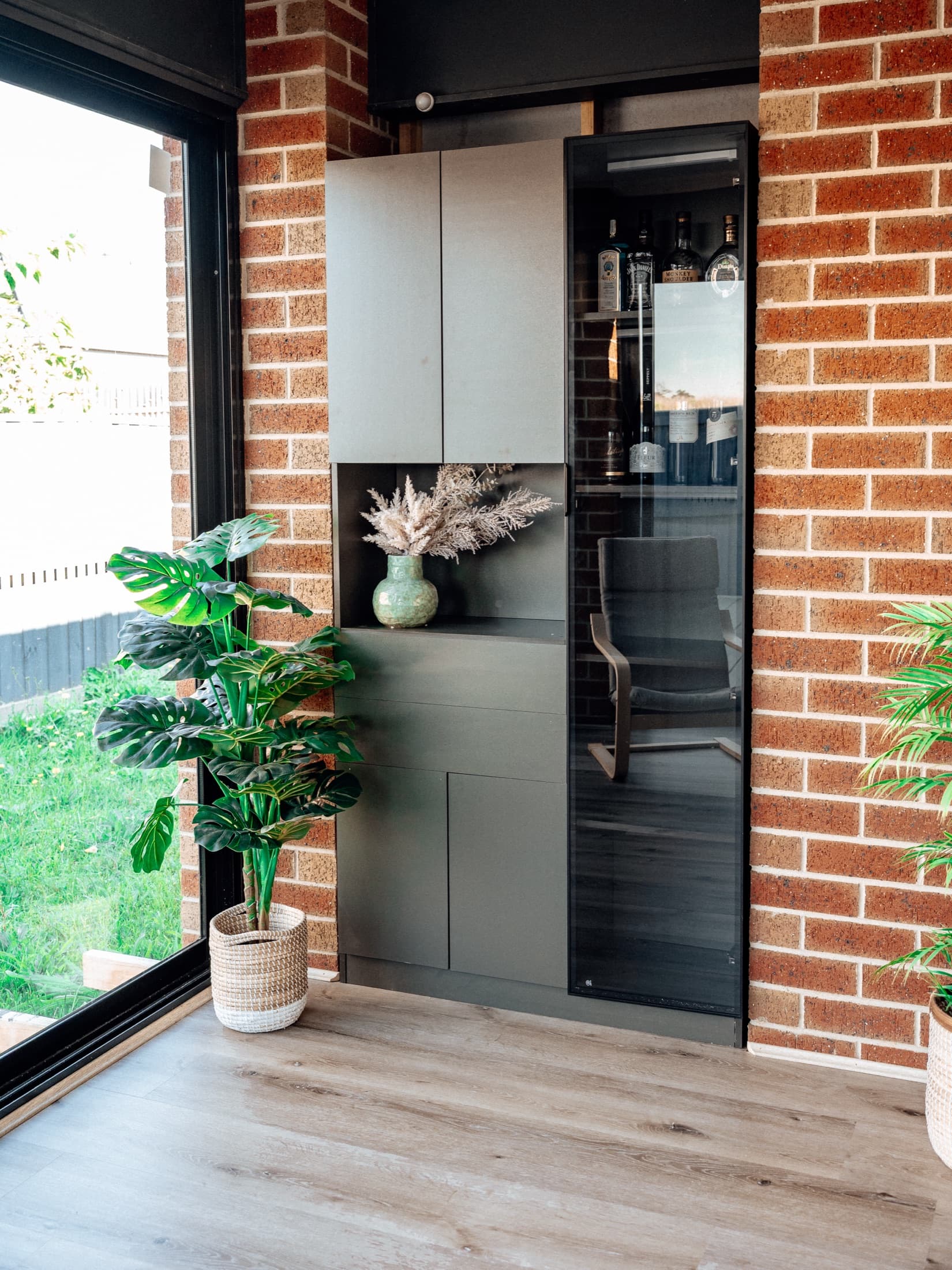
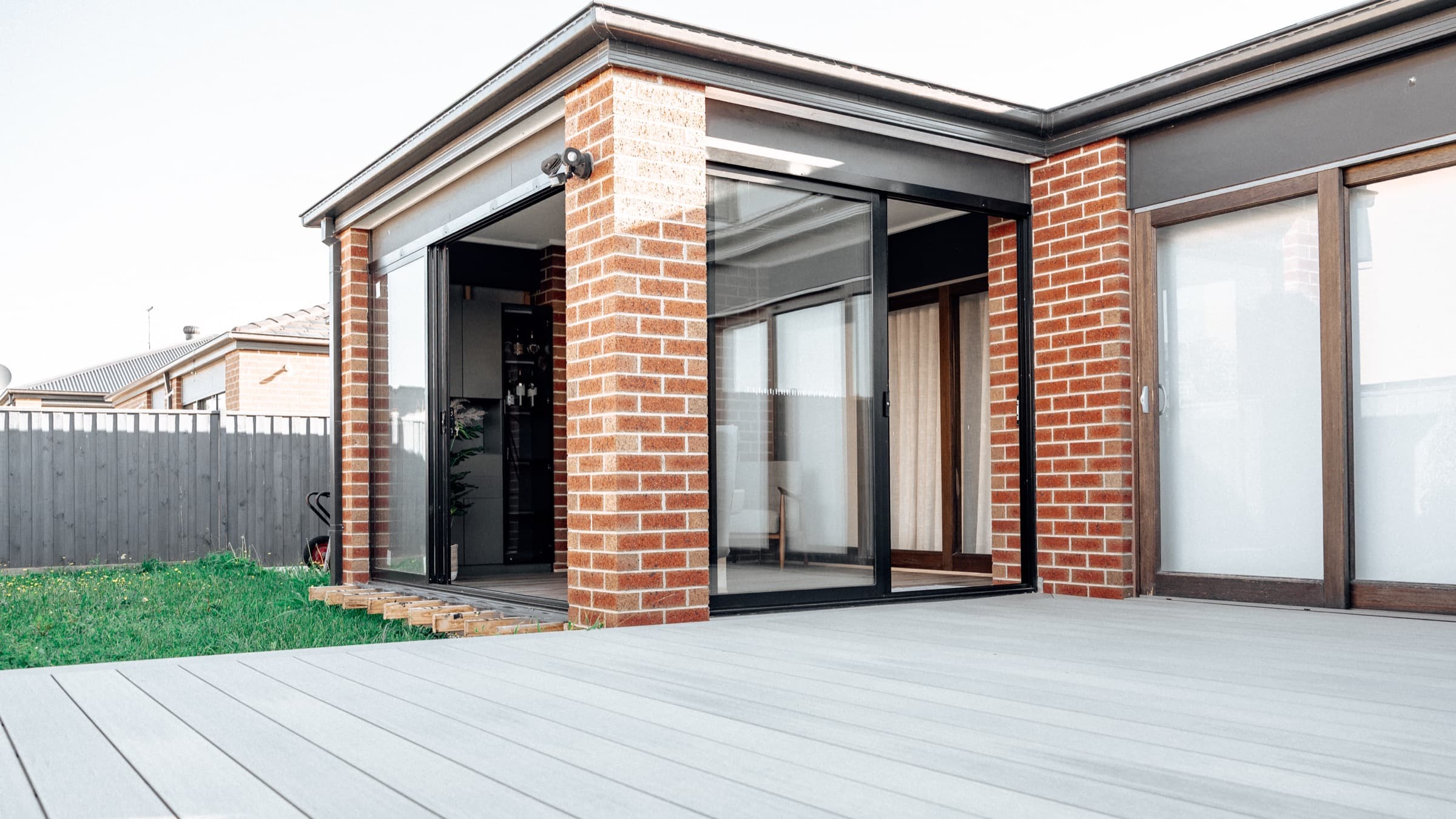
When viewing HR Homestyle Projects case studies, the site identifies visible features and separates available project evidence from information that has not yet been documented. Apply the same evidence standard when comparing any provider.
Planning checklist
- The project location and broad property context are identified.
- The brief and completed result are explained separately.
- The business states which parts of the work it delivered or coordinated.
- Photography shows more than one isolated detail.
- The example is recent and relevant to your proposed scope.
- Any claimed outcome is supported by evidence or clearly attributed to the client.
05
Ask references questions you can compare
Consumer Affairs Victoria recommends checking references and inspecting previous work. Ask each referee the same practical questions, preferably about a project similar in type or complexity to yours. General praise is less useful than examples of how the contractor handled information, changes and problems.
A reference should not be treated as a guarantee of your result. Use it as one source of evidence alongside official register checks, written scope, recent project examples and your own assessment of the proposed process.
- 01
Confirm the project context
Ask what work was completed, when it happened and whether the scope was similar to yours.
- 02
Ask about communication
Find out who provided updates, how often they communicated and whether decisions were recorded clearly.
- 03
Ask about changes
Ask whether changes or unexpected conditions arose and how price, timing and approval were handled.
- 04
Ask about the site
Discuss access, protection, tidiness and how the household was affected during the work.
- 05
Ask about completion
Confirm whether outstanding items and completion documents were handled as expected.
- 06
Ask what they would do differently
This often produces more useful detail than asking only whether the client was happy.
06
Compare the work and process behind each price
Give shortlisted providers the same plans, specifications and written brief. A lower total may represent a different scope, product level, allowance, exclusion or responsibility. Compare the documents line by line before treating the prices as alternatives for the same result.
Also compare how the project would be run. The quote should be read alongside the proposed timing, communication method, responsibility for selections and approvals, process for written changes, site access arrangements and expected completion documents.
| Area | Compare | Question to resolve |
|---|---|---|
| Scope | Inclusions, exclusions, quantities, materials and finish boundaries. | Are all providers pricing the same work? |
| Allowances | The product, quantity and installation assumptions behind estimated items. | Could the intended selection materially change the total? |
| Responsibilities | Supply, access, protection, approvals, waste and specialist coordination. | Which tasks or costs remain with the homeowner? |
| Timing | Start process, sequence, estimated duration and decision deadlines. | What information or event could change the programme? |
| Communication | Main contact, update rhythm and how decisions will be documented. | How will questions and changes be recorded? |
| Completion | Making good, cleaning, handover items and relevant certificates. | What defines a completed project? |
07
Test the working relationship before committing
Renovation decisions continue after the first meeting. Choose someone who can explain what is known, identify what still needs investigation and describe the next deliverable without creating false certainty. Pay attention to whether they ask about how the home is used, not only which products you want.
Clear communication does not mean agreeing with every early idea. A useful professional should be able to explain why an assumption needs checking, why part of the scope depends on another decision, or why specialist input may be required.
- Questions are answered in language you understand.
- Unknowns and exclusions are stated rather than hidden.
- Verbal decisions are confirmed in writing.
- The person responsible for updates is identified.
- The process for changes is explained before work begins.
- You have enough time and information to review documents properly.
- The contractor is willing to direct you to official checks and independent advice.
08
Complete the formal checks before you sign
Before appointing a contractor, make sure the final written scope and proposed contract agree with what you intend to accept. Confirm who is responsible for plans, permits, selections, specialist work and site access. Read every allowance and exclusion and seek independent legal or professional advice where appropriate.
Insurance requirements can depend on the type and value of work, the practitioner and the contract date. Victoria introduced Home Warranty arrangements for eligible contracts from 1 July 2026. Use the current Building and Plumbing Commission and Consumer Affairs Victoria guidance, ask for the evidence that applies to your project and verify property-specific cover through the official channel where required.
A careful selection process does not remove every project risk. It gives you a documented basis for deciding who appears best suited to the work and for spotting questions that still need an answer before construction begins.
Planning checklist
- The project brief and scope reflect the same intended result.
- Business, registration and licence details have been checked independently.
- Recent evidence is relevant to the type and complexity of work.
- References have answered consistent, practical questions.
- Quotes have been compared against the same documents.
- Allowances, exclusions and homeowner responsibilities are understood.
- Communication, changes and completion processes are recorded.
- Applicable insurance evidence and official cover have been checked.
- Permit and specialist-practitioner responsibilities are clear.
- The proposed contract has been reviewed before signing or paying a deposit.
Frequently asked questions
Clear answers before you plan the next step.
How do I choose the best renovation contractor?
Define the project first, then compare relevant experience, independently verified credentials, completed work, references, written scope, communication and the process behind the quote. The best fit is not determined by one review, photograph or price.
How can I check whether a Victorian contractor is registered?
Use the Building and Plumbing Commission's official practitioner search. Check that the name and status are current, that the registration or licence covers the proposed work and whether any conditions or limits apply.
How many renovation quotes should I get?
Consumer Affairs Victoria recommends getting at least three written quotes for the same plans and specifications. Give each provider the same information so differences in price can be traced back to scope, assumptions and process.
Are online reviews enough when choosing a contractor?
No. Reviews can add context, but they should sit alongside official registration checks, relevant project evidence, references you can question, comparable written quotes and a clear proposed contract.
What insurance should I check before a renovation?
The required cover depends on the work, practitioner, contract and current Victorian rules. Ask for current evidence relevant to the proposed work and use Building and Plumbing Commission guidance to verify any Home Warranty or other property-specific cover that should apply.
Official sources
- Consumer Affairs Victoria: choosing a building team
- Consumer Affairs Victoria: getting quotes for building and renovating
- Building and Plumbing Commission: find and check a practitioner
- Building and Plumbing Commission: search insurance for your property
- Energy Safe Victoria: electrical workers
This article provides general planning information. It is not legal, design, engineering, drainage or building-approval advice for a specific property.